
5 tips to keep grass quality high in June
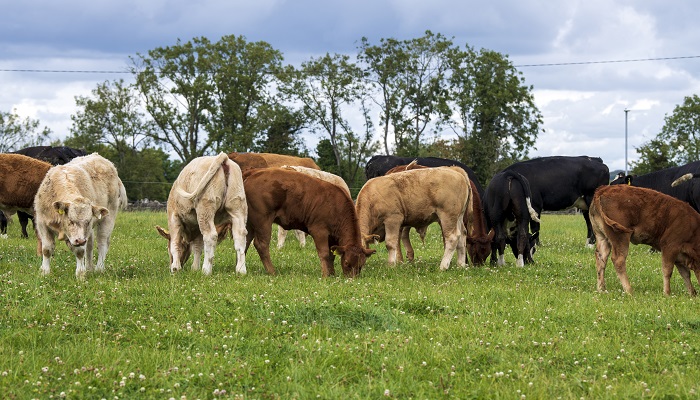
June is a tricky month for grassland management. Here are five simple tips to help you keep on top of grass quality this month:
1). Walk the farm regularly
Grass can shoot ahead very quickly in June. Walk your paddocks once or twice a week to see what’s happening. This helps you spot where there’s too much grass, so you can take it out for bales or silage before it gets too strong.
2). Use temporary fencing
If paddocks are too big or the grass is too strong, use a strip wire to split them. This helps cattle graze the grass tighter and waste less. It also makes it easier to keep grass at the right height.
3). Keep residuals low
After grazing, try to get paddocks down to 4cm (just above the soil). This keeps the regrowth leafy and good quality. If cattle aren’t cleaning it out enough, you can top it or run dry cows or lighter stock in after.
4). Cut strong paddocks for bales
If a paddock gets too strong and cattle won’t clean it out, don’t force them to graze it. Take it out of the rotation and cut it for bales. This keeps the rest of the grazing right and gives you good-quality silage too.
5). Don’t forget fertiliser
Keep spreading fertiliser to feed the grass. Aim for about 80 units of nitrogen per acre on dry ground by early June. Heavier land might only need around 65 units. Also make sure you’re spreading sulphur, phosphorus (P) and potassium (K) as needed.
By following these five tips, you’ll keep grass leafy and easy to graze, which means better performance from your cattle and good-quality silage in the yard. Stay on top of things and walk the farm.
More information:
With surplus grass on most farms, Grass10 Manager, John Maher provides some grassland management tips for the coming weeks as part of the Grass10’s podcast on June Grass Management Tips. Listen in below: