
The Future Beef guide to weaning
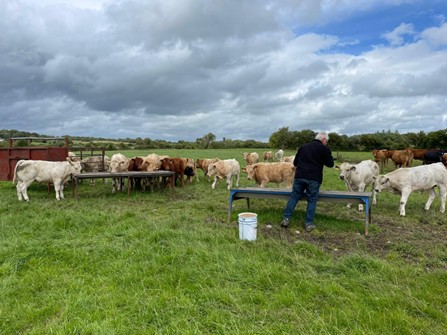
Weaning is a stressful time for suckler calves and inappropriate actions can reduce performance and leave your weanlings lighter.
To enable suckler farmers to operate the most efficient and effective weaning protocols, Martina Harrington, Manager of the Future Beef Programme, has recently prepared a factsheet titled: ‘Planning for Weaning – August Checklist for Farmers’.
The factsheet includes expert guidelines on minimising stress and maximising performance, along with essential tips for protecting calf health during the weaning process through appropriate dosing, vaccination and castration practices.
Nutritional advice is also offered, highlighting the importance of creep grazing and offering concentrate feeds both before and after weaning, along with suggested feeding rates for heifers, steers and young bulls.
Some of the factsheet’s key recommendations include:
- Start vaccination programmes in early August. Clostridial vaccines and pneumonia vaccines (against mannheimia, RSV, and PI3) often require four to six weeks to complete.
- Avoid overlapping stressful procedures like castration with vaccination. Ideally, castrate at least four weeks before weaning or two weeks post housing. Clostridial boosters are essential at the time of castration to prevent tetanus.
- Introduce creep feeding from mid-August to get calves consuming 1kg/day pre weaning.
- After weaning, increase to 2kg for steers/heifers and 3kg for bull weanlings.
- Use troughs and low-stress handling to familiarise calves with feeding facilities and reduce fear.
- Prepare housing and fencing in advance for a secure and stress-minimised environment. Use methods like forward creep grazing or gradual cow removal for weaning.
- Regular parasite monitoring is critical; treat based on faecal egg count (FEC) results and signs like coughing or scouring.
- Aim to wean during settled weather to reduce respiratory stress.
- Legal compliance around castration methods and anaesthesia must also be followed carefully.
The factsheet also features a ‘Weaning Preparation Calendar’, pinpointing the key actions to be taken from early August right through to September.