
05 February 2024
Assess the quantities of grass on your farm now
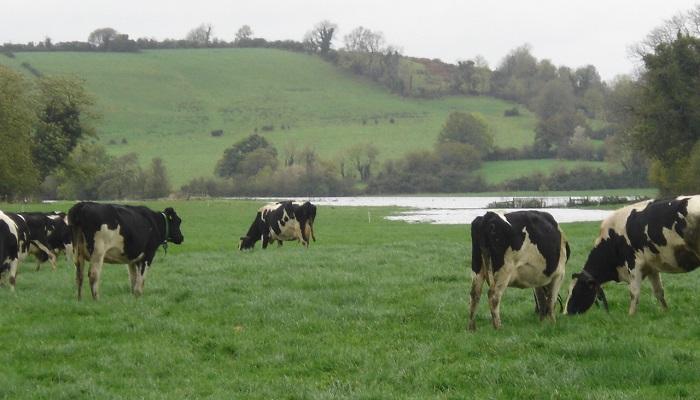
The average farm cover on your farm is a vital piece of information required to plan your spring feed budget, writes Teagasc Dairy Specialist, Mark Treacy.
Farm covers entered on PastureBase Ireland show an average farm cover on dairy farms of 838kg DM/ha at the end of January. However, there is substantial variation between individual farms.
Assessing the quantity of grass available on your farm now will allow you to identify if there is a potential feed deficit on your farm at an early stage and to take appropriate actions, such as sourcing additional feed. Where grass supply is short, there are definite benefits to including a limited supply of grazed grass in the cow’s diet every day rather than delaying turnout. In other situations where grass supply is high, it should be possible to identify opportunities to save on silage and purchased feeds. If not done already, complete a farm cover this week before the spring workload becomes very high.
Completing a farm cover early in the year also allows you to establish your over winter growth rate, and is a starting reference point to allow you to accurately measure growth rates this spring.
The application of slurry and chemical fertiliser also needs to be planned on your farm this spring. Completing a farm cover is useful to help identify suitable paddocks for slurry. Slurry can be applied at a rate of 2,000 gallons per acre on lower covers (<1000kg DM/ha). Target to paddocks with low phosphorous (P) and potassium (K) soil indexes. Also bear in mind, however, that ideally we will start the grazing season in paddocks with covers of 800-1000kg DM/ha so don’t spread them all with slurry! Instead, these first grazed paddocks can receive slurry after grazing at a rate of 2,500 gallons per acre. Areas of the farm that will not receive a slurry application before mid-February should instead receive an application of 23 units per acre of protected urea.
Also read: Does the spring rotation planner actually work for all dairy farm soil types?
Also read: Preparing for grazing – when’s best to buffer feed silage