
04 November 2024
Simple steps can help support a positive start to spring 2025
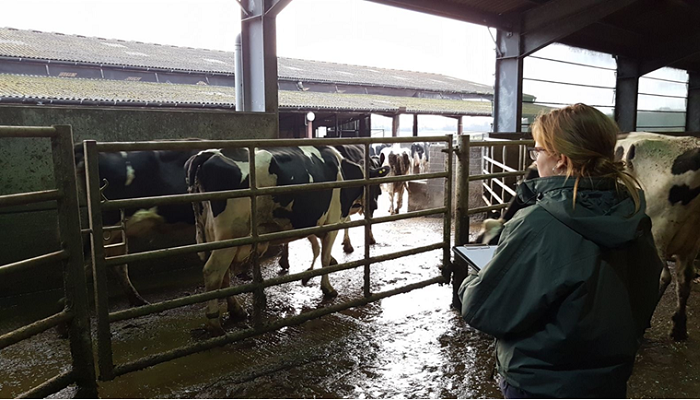
Aisling Claffey, Nutritionist at Teagasc, outlines key preparations for managing dairy cows during the winter dry period to ensure optimal health and productivity at calving.
As the full-time housing period approaches for most dairy herds and the end of lactation draws near, it’s essential to make adequate preparations for the upcoming dry cow period. With winter officially underway, reassessing your fodder budget is important to ensure you have enough feed to sustain your herd throughout the winter months. If you haven’t yet assessed the body condition score (BCS) of your herd, do so at housing, noting any thin cows (BCS < 2.75). Consider drying off these animals early, especially first-lactation cows calving in February, to allow them ample time to reach the target BCS of 3.25 by calving.
Silage quality will play a crucial role in helping dry cows achieve adequate BCS gains over the winter. Testing silage quality can support decisions around extended dry periods for thinner cows or the need to group them and adjust feeding accordingly. For farms that fed heavily throughout late autumn due to poor grass growth, and may now have a cohort of heavier cows (BCS 3.25+), consider grouping these animals separately with later-calving cows. Ensure they receive sufficient silage but avoid ad-lib feeding if silage quality is high (70 DMD+), to reduce the risk of over-conditioning, which can lead to milk fever and other metabolic disorders in spring.
Table 1. The Effects of Silage Quality on BCS Change Over an 8-Week Dry Period and the Supplementary Meal Required to Achieve a 0.5 BCS Gain
| Silage DMD | 62 DMD | 68 DMD | 72 DMD |
|---|---|---|---|
| 8-week dry period BCS change | -0.16 | +0.20 | +0.50 |
| Extra meal required to gain 0.5 BCS | 3 kg | 1-1.5 kg | 0 |
Before drying off, complete a final milk recording to obtain an accurate individual SCC (somatic cell count). Consider culture and sensitivity testing for cows with high SCC to ensure you’re using the most effective antibiotics against prevalent bacteria in your herd. Achieving better cure rates of current infections over the dry period will help reduce mastitis incidence next spring and better protect healthy animals that only receive teat sealant.
Minerals should be introduced six weeks before the planned start of calving, which for many herds coincides with drying off in mid-to-late December. While trace elements like copper, iodine, selenium, and zinc are vital for cow and calf health, it’s crucial not to overlook the importance of vitamins, especially Vitamin D, during this period. When selecting mineral sources, be mindful that many boluses provide only trace elements, potentially missing essential nutrients like magnesium, phosphorus, and vitamins.
Magnesium and Vitamin D are essential for calcium mobilization and preventing both subclinical and clinical milk fever. Cows require approximately 0.4% Mg/kg DM, with silages typically contributing 0.15%/kg DM. A high-quality pre-calver mineral containing 20-25% magnesium at a rate of 120 g will help meet the remainder of the cow’s magnesium requirement. If you’ve encountered milk fever or related issues (e.g., retained placentas, slow calvings, increased metabolic issues) in recent years, consider analyzing your dry cow silage for mineral content. This can help reduce the risk of feeding high-potassium silages in the final 10-14 days before calving. If you have concerns, speak with your advisor early to ensure a successful start in spring 2025.