
Why iron matters for piglet health
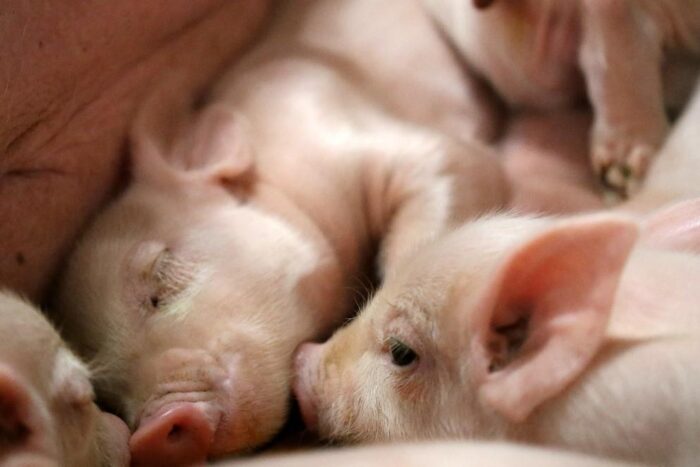
The first few weeks of a piglet’s life are marked by rapid growth and high vulnerability. During this period, it is important to support the piglet’s nutritional needs, with iron being a key element. Melissa Cupido, Teagasc Pig Development Department, tells us more.
Piglets are born with limited iron reserves that cannot sufficiently be supplemented through sow milk alone. In natural environments, piglets could obtain iron through the soil, however most farrowing systems operate on flooring where soil is absent, and so supplementation is necessary to prevent pigs from developing iron-deficiency anaemia.
While this is something that should be standard practice on most indoor farms, it is easy to become familiar with the practice while forgetting the purpose.
Piglets have a high demand for iron because they need it to produce haemoglobin, a protein found in red blood cells that transports oxygen from the lungs to other tissues of the body. An adequate supply of iron supports this as well as normal activity and piglet vitality. A lack of iron can result in pigs becoming anaemic, potentially negatively affecting their growth and development.
Good practice entails providing iron (200mg iron dextran) to piglets at an appropriate time (3-5 days after farrowing) and correct administration reduces stress on the animal as well as the handler.
Watch a short video on iron administration: