
15 January 2024
Liver fluke at ‘worrying’ levels in the North West
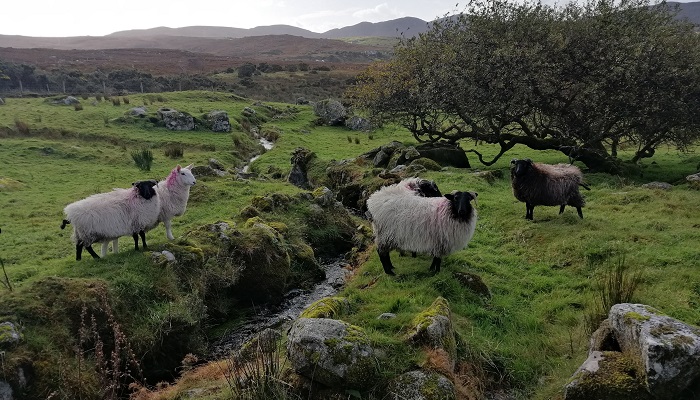
Following a wet and mild year, the levels of liver fluke being witnessed on sheep farms in the North West has been described as being at ‘worrying’ levels.
On the Let’s Talk Sheep Webinar, held on January 10th, Teagasc Sheep Specialist, Ciaran Lynch was joined by Shane McGettrick of the Sligo Regional Veterinary Lab (RVL) and Maresa Sheehan of the Kilkenny RVL to discuss flock health issues and preparing for the busy lambing season.
On the webinar, McGettrick said: “I am very worried about liver fluke this year. Every day, we are having cases coming through the post-mortem room in sheep.”
He noted that deaths as a result of severe liver fluke infestations are the most common diagnosis in the Sligo RVL at the minute, adding: “It is catching a lot of people by surprise because they have dosed in the same way as they have done every year up to now.”
On where these cases are occurring, McGettrick said that ewes which had previously been dosed and then returned to heavily-contaminated pasture are turning up with acute liver fluke five to six weeks later.
Apart from this week’s frost, the wet and mild conditions experienced over the past number of months has aided lifecycle completion of liver fluke, with McGettrick hopeful that this week’s colder weather will lower the infective load present on fields. However, he advised farmers to dose for liver fluke if they feel they have an issue with this parasite on their farm, this is particularly important for in-lamb ewes.
He added: “I’m worried about the body condition of the animals in this part of the country and advising everyone that they need to consider is there a fluke problem on their farm coming up towards lambing.
“I am worried that the livers in a lot of these animals are going to be severely compromised. That is going to lead on to more problems around lambing time – weak lambs, dead lambs and increased metabolic disease,” he said.
Such metabolic diseases include hypocalcaemia or twin-lamb disease, with the latter occurring due to the ewe’s reduced ability to utilise nutrients – particularly energy – on account of reduced liver function.
Rumen fluke
The RVL in Sligo has also witnessed rumen fluke infestations in sheep this year, with Mc McGettrick adding: “This year was a particularly bad year for rumen fluke. We saw it on wetter ground and what we noticed is it took farmers by surprise.
“It is one that can strike out of the blue; you get very little warning on it and then suddenly you have a lot of sheep infected and quite sick with it.
“The common thing with it is that the sheep have been grazing ground that has got quite wet – standing water usually on the ground – and that provides a habitat for the intermediate host, the snail, which affects them.”
For more on the Let’s Talk Sheep Webinar series, click here.
Also read: Tackling the fluke challenge this winter